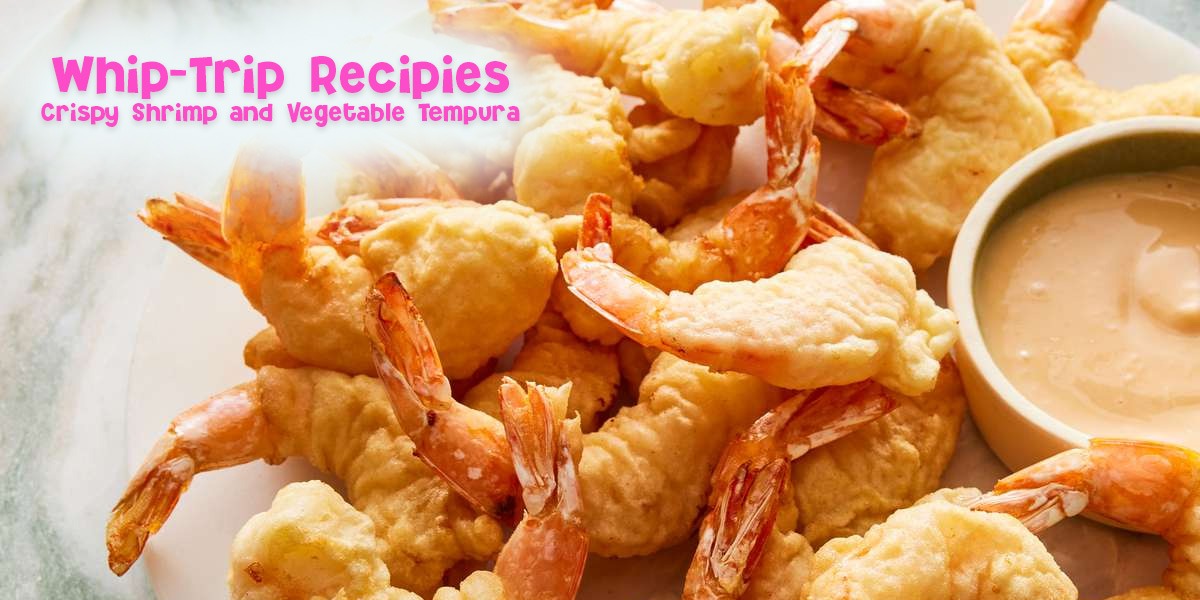
Nothing quite compares to the taste of homemade shrimp tempura! The combination of succulent shrimp wrapped in a crispy, golden coating is a delight for any seafood enthusiast. The secret to achieving that light, crunchy texture lies in using a Whip Gas Whipped Cream Dispenser, which creates a batter that doesn’t absorb excess oil. This beloved Japanese dish has gained international popularity for its rich flavors and is often served with sweet and sour sauce or mustard sauce. In Japan, shrimp tempura is typically enjoyed on its own or over a rice bowl known as ‘Tendon,’ and paired with noodle soup called ‘Tempura Soba.’ It also pairs beautifully with shredded carrots and daikon radish.
To maintain the shrimp’s size during cooking, Japanese chefs employ a simple trick: they break the shrimp’s veins before frying, which helps prevent shrinkage. Here’s our secret recipe for making perfectly crispy shrimp and vegetable tempura.
Servings
Ingredients:
- T45 Wheat Flour: 2/3 cup
- Tempura Flour: 2/3 cup
- Vodka: ½ cup
- Honey: 1 tablespoon
- Sparkling Water: 2/3 cup
- Fine Salt: ¼ teaspoon
- Cornstarch: 2 ½ tablespoons
- Blanched Baby Vegetables: 400 grams
- Peeled Shrimp: 200 grams
Steps:
- Prepare the Batter: In a bowl, combine the T45 wheat flour, tempura flour, and salt. In a separate bowl, whisk together the honey and vodka, then pour this mixture over the flour mix.
- Incorporate Sparkling Water: Gradually add the sparkling water, whisking gently to retain its fizz.
- Dispense the Batter: Transfer this mixture into the whip gas Whipped Cream Dispenser using a sieve and funnel. Charge with one Whip Gas Whipped Cream Charger and shake vigorously. Chill the dispenser in the fridge for at least 30 minutes.
- Prepare Shrimp and Vegetables: Lightly coat the shrimp and vegetables with cornstarch.
- Heat Oil for Frying: Preheat vegetable oil for deep frying.
- Fry the Tempura: Dispense the batter into a bowl and quickly coat the shrimp and vegetables. Deep fry them in medium-high heat, ensuring not to overcrowd the oil. Once the coating turns golden brown, remove them and let them drain on a cooling rack.
- Serve: Enjoy your shrimp tempura with mayonnaise or any other dip made in the Whip Gas Whipped Cream Dispenser.
Extra Information
Is Shrimp Tempura the Same as Hanaage?
In Japan, shrimp tempura is known as Ebi no Tempura or Ebi Ten. Shrimp tempura is beloved globally among seafood fans. Japanese restaurants often use a special type of coating called Hanaage, where “Hana” means flower and “age” means deep-fried. When the coated tempura is submerged in hot oil, the batter expands like a blooming flower, resulting in a unique texture.
Traditional Japanese tempura is characterized by a thin coating, allowing the natural flavors of the shrimp or vegetables to shine through. These Hanaage-style tempura are commonly served with noodle soup or rice bowl dishes.
Tips for Making the Best Crispy Tempura:
Making Hanaage-style tempura can seem daunting, which is why many home cooks shy away from it. Here are some essential tips to achieve crispy perfection:
- Use Cold Ingredients: Ensure all your ingredients—flour, eggs, and water—are cold.
- Don’t Over-Whisk the Batter: Mix just enough to combine; it’s okay to have a few lumps.
- Fry Immediately: Start frying as soon as the tempura batter is prepared; don’t let it sit.
- Maintain Oil Temperature: Keep the oil temperature consistent for the best frying results.
- Limit Coverage: Only cover half of the oil’s surface with your tempura to allow even frying.
Storing Leftover Tempura:
You can store leftover shrimp and vegetable tempura in an airtight container in the refrigerator for up to three days. For longer storage, freeze them for up to a month. To reheat, thaw first and then use an oven toaster or oven to ensure they regain their crispiness. Be cautious to heat them thoroughly to avoid any food safety issues.
Vegetables Used for Tempura:
Traditionally, Japanese tempura features a variety of vegetables, including Japanese sweet potatoes, eggplant, kabocha, mushrooms, bell peppers, and lotus roots. Other popular choices are shiso leaves, shishito peppers, and okra. The best part? You don’t need to pre-cook these vegetables before frying them!